

Choosing clothes for everyday wear is less about following every new fashion trend and more about finding outfits that feel comfortable, practical, and easy to style. The best girl dresses for daily use are usually simple enough for regular activities but polished enough to make you feel well dressed. 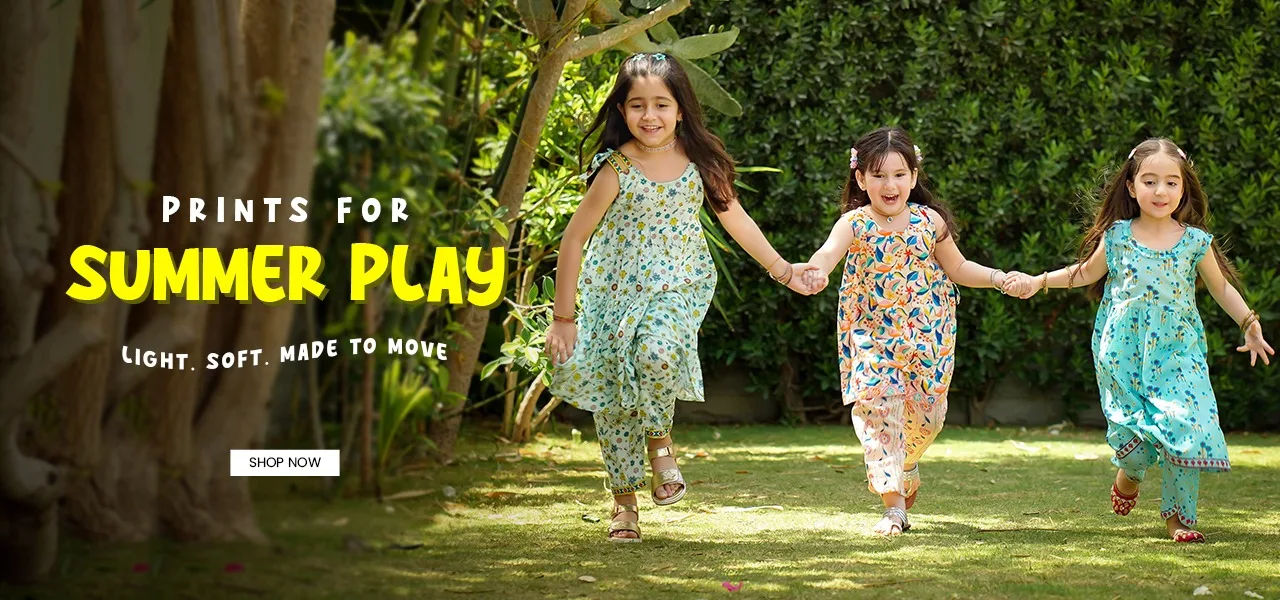 Fabric, fit, length, color, and ease of movement all matter when deciding what works for your routine.
Everyday clothing needs to handle real life. You may wear the same outfit while attending classes, visiting relatives, shopping, meeting friends, running errands, or spending time at home. That means comfort should not be treated as an afterthought. A dress that looks beautiful but feels restrictive can quickly become an inconvenient choice.
The right girl dresses can make daily dressing much easier because they combine style with practicality. Instead of spending too much time deciding what to wear, you can rely on a few versatile silhouettes that work across different situations. With the right accessories and footwear, the same basic dress can also look noticeably different from one day to another.
What Makes a Dress Suitable for Everyday Wear?
An everyday dress should be comfortable enough to wear for several hours without constant adjustment. It should allow you to walk, sit, bend, and move naturally.
The fabric is especially important. Cotton, lawn, linen blends, lightweight denim, and other breathable materials can be useful for daily clothing, particularly in warm weather. Softer fabrics are also generally more comfortable when worn for long periods.
A practical dress should not require extremely delicate care. If an outfit needs special cleaning after every use or wrinkles almost immediately, it may be less convenient for a busy routine.
Fit matters as well when choosing girl dresses. An overly tight dress can restrict movement, while an extremely loose design may become difficult to manage during everyday activities. A relaxed but well-shaped fit often provides a good balance.
Casual Cotton Dresses
Cotton dresses are among the easiest options for everyday wear. Cotton is breathable, comfortable, and available in many colors, patterns, and designs.
A simple cotton dress can work for school, casual outings, shopping, family visits, and relaxed weekends. Depending on the design, it can also be dressed up slightly for a casual gathering.
Printed cotton dresses are particularly useful because they can look attractive without requiring much styling. Small floral patterns, geometric prints, stripes, checks, and subtle motifs can all work well.
For a simple daily outfit, pair a cotton dress with comfortable flats, sandals, or clean sneakers. A small crossbody bag can complete the look without making it feel overly formal.
Shirt Dresses for a Practical Look
Shirt dresses combine the structure of a traditional shirt with the convenience of a dress. They are useful when you want something casual but slightly more polished.
Many shirt dresses have collars, buttons, sleeves, and waist details. These features make them easy to style while keeping the overall appearance relaxed.
A loose shirt dress can be particularly useful for days when comfort is the priority. A belted version can create a more defined shape when desired.
Denim shirt dresses can also be a good choice for casual wear. They tend to create a slightly structured appearance and can work well with sneakers or ankle boots.
A-Line Dresses
A-line dresses have a shape that gradually widens from the upper body toward the hem. This makes them comfortable for movement while maintaining a neat silhouette.
They are versatile enough for many everyday settings. A modest A-line dress in a solid color can look simple and sophisticated, while a printed version can create a more playful appearance.
A-line styles are also easy to layer. During cooler weather, you can wear one with a cardigan, lightweight jacket, or sweater depending on the dress design.
Maxi Dresses for Comfortable Daily Style
Maxi dresses provide plenty of coverage and can be extremely comfortable when made from lightweight fabric.
They are particularly useful for relaxed days, family gatherings, shopping trips, and casual outdoor activities. A breathable maxi dress can also be a practical choice in warm climates.
When selecting a maxi dress for everyday use, pay attention to the length. The hem should allow you to walk comfortably without constantly stepping on the fabric.
Simple prints usually make maxi dresses easier to wear regularly. Floral, striped, and abstract designs can add personality without making the outfit difficult to coordinate.
Midi Dresses for Versatility
Midi dresses fall somewhere between shorter casual dresses and full-length styles. Their moderate length makes them adaptable to different occasions.
A simple midi dress can be worn with sandals during the day and styled with a lightweight jacket or more polished accessories when going somewhere slightly more formal.
Solid colors are especially versatile. Neutral shades such as beige, navy, white, gray, brown, and soft pastels can work with a wide range of accessories.
A midi dress with a simple neckline and comfortable sleeves can become one of the most useful pieces in an everyday wardrobe.
Simple Tunic-Style Dresses
Tunic-style dresses are another practical option, especially for people who prefer relaxed silhouettes.
They usually provide enough room for movement and can be paired with leggings, trousers, or worn independently depending on the length and design.
For everyday use, look for tunics made from breathable materials. Excessively heavy fabric can become uncomfortable during long days.
Tunic dresses can also be useful when you want modest coverage without wearing a highly structured outfit.
Choosing Dresses for Summer
Summer clothing should prioritize airflow and comfort. Lightweight fabrics are generally more suitable than heavy materials when temperatures rise.
Cotton and linen-blend dresses can be useful choices because they tend to feel lighter against the skin. Loose silhouettes can also improve comfort on hot days.
Light and medium colors may be appealing for summer because they create a fresh appearance. Soft pink, sky blue, cream, white, lavender, mint, and similar shades can work nicely for casual daytime clothing.
Sleeve length is another consideration. Short sleeves, cap sleeves, or loose three-quarter sleeves can provide different levels of coverage while maintaining comfort.
Avoid choosing a dress simply because it looks attractive on a product photograph. Consider how the material will feel after several hours of wear.
Dresses for Cooler Weather
Everyday dressing becomes more flexible during cooler seasons because layering creates additional options.
A casual long-sleeved dress can be worn with a cardigan, denim jacket, sweater, or coat. Tights or leggings can provide additional warmth when appropriate.
Knit dresses are another option for colder weather. However, the thickness and weight should match the climate. A heavy knit may be uncomfortable indoors if the heating is strong.
Neutral colors work particularly well for layering because they can be combined with different outerwear pieces.
Everyday Dresses for School or College
For school or college, practicality usually matters more than elaborate decoration.
Simple dresses with comfortable lengths, secure closures, and breathable fabrics can be easier to manage throughout a long day.
Patterns can add interest without requiring additional accessories. Small prints, checks, stripes, and understated floral designs are easy to incorporate into a casual wardrobe.
Footwear should also be practical. Sneakers, flats, or comfortable sandals can work better for long periods of walking than shoes designed mainly for appearance.
A lightweight backpack or crossbody bag can complete the outfit while remaining functional.
Dresses for Shopping and Running Errands
Running errands requires clothes that allow easy movement.
A relaxed midi, cotton maxi, shirt dress, or A-line dress can work well because these styles generally do not require complicated adjustments.
Consider the weather and the amount of walking involved. On a busy day, breathable fabric and comfortable footwear can make a bigger difference than decorative details.
Pockets are also surprisingly valuable. A dress with practical pockets can make everyday activities easier by giving you a convenient place for small essentials.
Choosing Colors for Everyday Dresses
Color has a major effect on how frequently you can wear a dress.
Neutral colors are easy to combine with different shoes and accessories. Black, navy, cream, beige, gray, and earthy tones can form the foundation of a versatile wardrobe.
Pastel colors can provide a softer appearance while remaining suitable for daytime use.
Bright colors are not unsuitable for everyday wear, but they can require more thought when coordinating accessories. If you enjoy vivid colors, consider balancing them with simple shoes and bags.
Prints should also match your lifestyle. A small or medium pattern is usually easier to wear frequently than an extremely elaborate design.
How to Choose the Right Fabric
Fabric should be selected according to climate, activity, and personal comfort.
Cotton is a reliable option for warm weather and casual activities. Linen can feel particularly comfortable in heat, although it naturally wrinkles more easily.
Denim provides more structure but may feel heavier than cotton. Jersey fabrics can offer flexibility and comfort, making them useful for relaxed daily outfits.
Synthetic fabrics are not automatically unsuitable, but breathability varies significantly between materials. Always consider how the fabric feels against your skin.
The best everyday dress is one that you will actually enjoy wearing. A theoretically perfect outfit is not useful if it remains in the wardrobe because it feels uncomfortable.
The Importance of Fit
Fit does not mean that every dress needs to be closely tailored.
For everyday clothing, comfort often comes from having enough room around the shoulders, waist, hips, and arms.
Check the shoulder seams, armholes, neckline, and overall length. These areas can reveal whether a dress is likely to remain comfortable throughout the day.
When trying on a dress, walk around and sit down. Raise your arms and move naturally. If the dress becomes uncomfortable during these basic movements, it may not be the right choice for regular wear.
Styling Girl Dresses Without Overdoing It
Everyday styling does not need to be complicated.
A simple dress can be changed with different footwear, bags, jewelry, scarves, jackets, or hair accessories.
For example, a cotton dress with sneakers can create a casual appearance. The same dress with flats and a structured bag can look more polished.
Layering is another simple technique. A cardigan can make a summer-style dress more suitable for cooler temperatures, while a denim jacket can give a basic outfit a more casual appearance.
The goal is to make the outfit feel natural rather than overloaded with accessories.
How Many Everyday Dresses Do You Need?
There is no fixed number that works for everyone.
A small wardrobe can be perfectly practical if each dress serves more than one purpose. Instead of buying many similar pieces, consider having different silhouettes, fabrics, and colors.
For example, a wardrobe might include a cotton casual dress, a versatile midi, a relaxed maxi, a shirt dress, and a slightly dressier option.
This approach makes it easier to create variety without owning an excessive number of clothes.
Caring for Everyday Dresses
Good care can significantly extend the life of everyday clothing.
Always check the care label before washing a dress. Some fabrics require gentle cycles, lower temperatures, or air drying.
Avoid washing clothes unnecessarily often when they are still clean and fresh. Excessive washing can contribute to faster fabric wear.
Store dresses properly according to their material. Lightweight garments can often be hung, while heavier knit pieces may be better folded to reduce stretching.
Promptly dealing with small stains can also prevent them from becoming permanent.
Common Mistakes to Avoid
One common mistake is buying a dress based entirely on appearance.
A beautiful design is not necessarily a practical everyday choice. Comfort, fabric, fit, and maintenance should all be considered.
Another mistake is choosing clothing that is too difficult to style. If a dress only works with one particular pair of shoes or accessory, you may wear it less frequently.
Ignoring the weather is another problem. A heavy dress may be unsuitable for a hot afternoon, while an extremely lightweight dress may not provide enough warmth during colder months.
It is also worth avoiding uncomfortable trends simply because they are fashionable. Everyday clothing should fit your actual lifestyle.
Building a Practical Everyday Wardrobe
The easiest way to build a useful wardrobe is to start with versatile pieces.
Choose several comfortable dresses that can work in different settings. Then add a few accessories that allow you to change their appearance.
Think about your weekly routine. If you spend most of your time at school or college, prioritize comfortable fabrics and easy movement. If you regularly attend casual family gatherings, include a few slightly more polished designs.
Your wardrobe should reflect your life rather than an imaginary lifestyle.
Conclusion
The best girl dresses for everyday wear are comfortable, practical, versatile, and easy to maintain. Cotton dresses, shirt dresses, A-line styles, midi dresses, maxi dresses, and relaxed tunic designs can all work well when their fabric and fit suit the wearer.
The most important factor is not whether a dress is currently fashionable. It is whether you can comfortably wear it while going through your normal day. A practical dress should allow natural movement, feel comfortable against the skin, suit the weather, and work with footwear and accessories you already own.
Color and patterns also deserve attention. Neutral shades can make outfit planning easier, while prints and brighter colors can add personality. There is no need for every everyday dress to look the same. Variety is useful as long as each piece remains practical.
When shopping, take a moment to consider where you will wear the dress, how often you can use it, how easy it is to wash, and whether you can style it in more than one way. These questions can prevent impulse purchases and help you build a wardrobe that genuinely works.
Ultimately, everyday fashion should make life easier rather than more complicated. The right dress can provide comfort without sacrificing personal style, giving you an outfit that feels appropriate for ordinary days while still making you feel confident and put together.