

Where Traditional Lines Fall Short—and Why It Hurts More at Scale
Let’s start plain: a plant can hit its output goal and still lose ground. In many sites, the line looks busy, yet rework piles up. In the second shift, a team tries to bridge a gap between prototype and mass build. It is cell to pack, so tolerances tighten and time shrinks. In this stage, cell to pack battery production is not only about speed. It is about control, traceability, and heat. Look, it’s simpler than you think—if you see the real constraints. We often find module-era habits carried forward: oversized fixtures, late-stage busbar fit, and manual torque checks. The result is drift in takt time, noise in SPC charts, and a steady rise in micro-weld defects after 10,000 cycles—funny how that works, right?
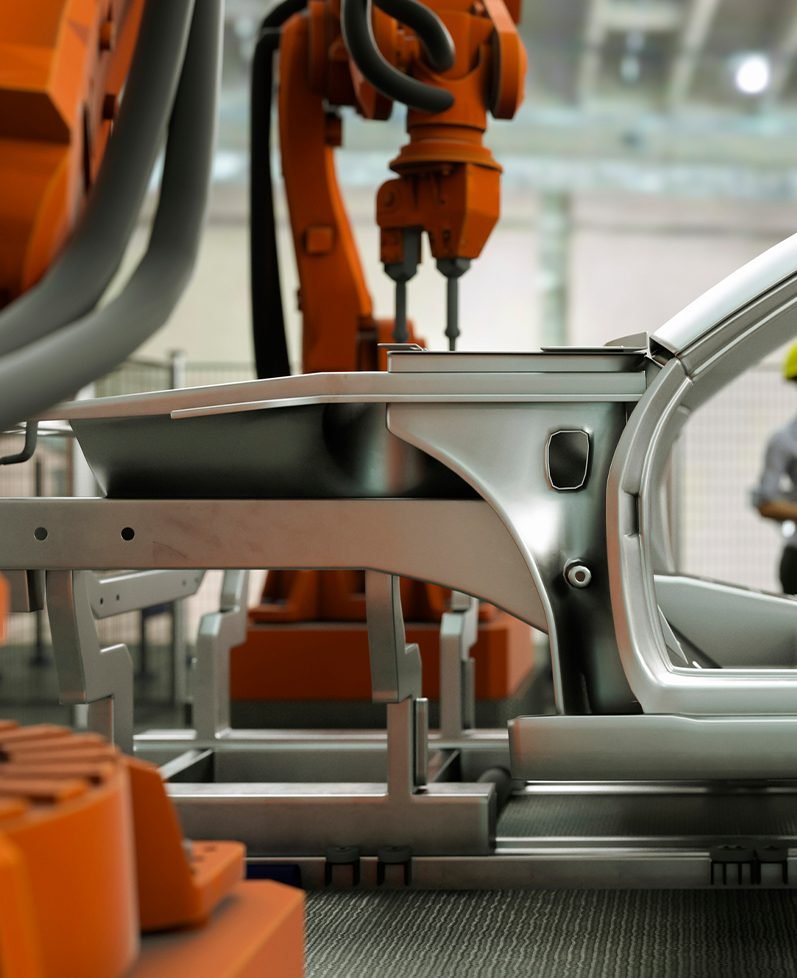
Why is this happening? Legacy module flows add parts, then ask the Battery Management System (BMS) to “smooth out” the mess. But in CTP, the pack shell is structural, the current paths are denser, and the thermal management window is narrow. Old changeover methods make prismatic and pouch cells fight the same nests. Laser welding heads chase stack-up that should not exist. Edge computing nodes sit idle while QA waits for offline tests. These are not just quirks; they are system flaws. The deeper pain points are misaligned busbar tolerances, uneven adhesive cure, and late discovery of tab alignment errors. In short, the line is trying to fix upstream geometry with downstream power converters and testers—an expensive habit. In the next section, we compare what changes when the process is built for CTP from the start.
Why do old lines struggle?
New Principles That Actually Scale in CTP
To move forward, we need different rules, not just faster robots. A CTP-first line treats geometry, heat, and data as one system. It starts with cell kitting that locks orientation and SoH mix, then uses in-line metrology to police stack height before adhesives touch metal. Busbar design shifts to flexible foils or stamped copper with reliefs, so welds land on tolerance, not luck. Direct liquid cooling is validated early with pressure decay, not late at EOL. And the Manufacturing Execution System stitches it together: torque, weld energy, vision flags, and DCIR snapshots live under one trace ID. This is where cell to pack battery production becomes repeatable, not fragile. The principle is simple—solve variation upstream, let the BMS monitor, not rescue. It feels strict, yes, but it lowers scrap and stabilizes takt.
Now compare outcomes. Old lines bank on hero operators and long debug shifts. CTP-first lines bank on design-of-fixture, short loop feedback, and edge analytics. Inline AI vision checks tab planarity and wet-out; laser welding compensates in real time within a tight process window. Power converters on formation and test stands run profiles that reflect real road loads, not lab fiction—because physics does not negotiate. OEE rises because unplanned rework drops, not because people sprint. And when a new cell format arrives, changeover is a data change plus a light tool swap, not a three-week tooling saga. This is the path from pilot to steady volume. What’s next is not more muscle; it is cleaner flow, smarter checks, and fewer places for heat and electrons to misbehave—and yes, it matters.

What’s Next
Bringing it all together, we learned that CTP punishes late fixes and rewards early control. The flaws in traditional module flows—stack-up, late QA, manual compensation—show up as scrap, hot spots, and jittery takt. The forward path is a set of new principles: lock geometry before energy, unify data in the MES, and let inline tests guard the narrow thermal and electrical window. If you must choose, use three checks to guide your buy and build: 1) Traceability depth per pack (cell-by-cell DCIR, weld energy, and adhesive cure state in one record); 2) Process capability at critical joints (Cp/Cpk for tab welds, busbar flatness, and seal integrity); 3) Changeover time for new cell formats (hours, not weeks, with fixtures and recipes aligned). Choose the line that proves these in numbers. For further study and grounded practice, a good reference point is LEAD.