

As environmental awareness grows among consumers, the sustainability of personal care product packaging has come under scrutiny. Traditional deodorant container designs, primarily made from non-biodegradable plastics, face increasing criticism despite their convenience and durability. This shift in consumer priorities has sparked innovation across the cosmetics industry, with brands exploring biodegradable materials and refillable systems to reduce environmental impact while maintaining product functionality. The transition toward sustainable packaging presents both challenges and opportunities for manufacturers and private label brands alike.
Traditional Deodorant Container Materials
The majority of conventional deodorant containers are manufactured from polypropylene (PP) plastic, a material chosen for its durability, flexibility, and cost-effectiveness. These containers typically come in twist-up or push-tube formats with capacities ranging from 0.5 oz to 4 oz, designed to provide convenient application while protecting the product from contamination. However, PP is not biodegradable, meaning these containers can persist in landfills or the environment for hundreds of years after disposal.
Industry estimates suggest that over 1 billion plastic deodorant containers enter the waste stream annually in the United States alone. With typical recycling rates for these items below 30%, the environmental impact has become impossible for brands and consumers to ignore.
Emerging Biodegradable Alternatives
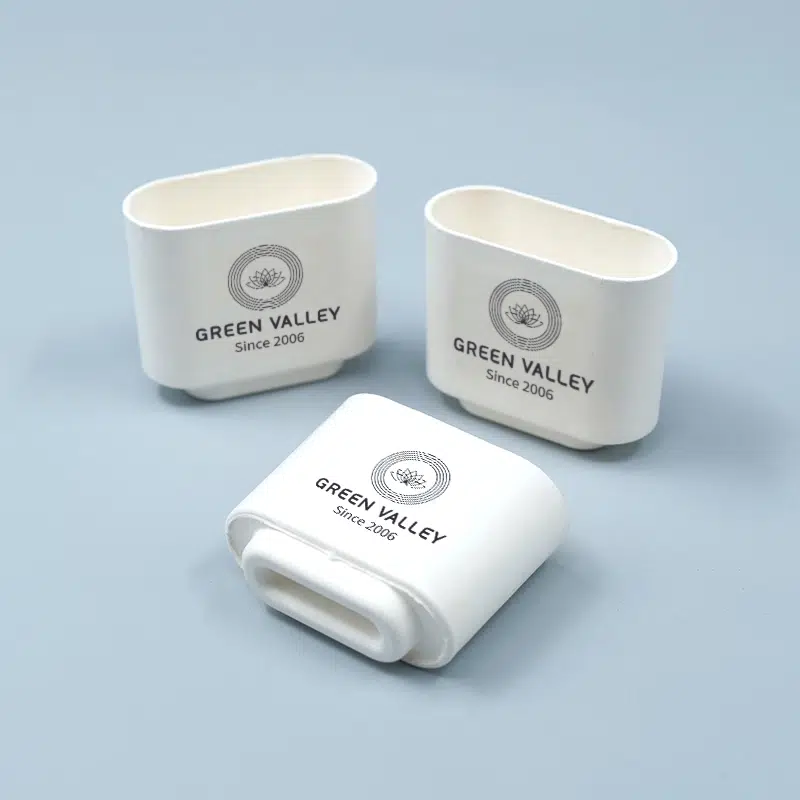
In response to environmental concerns, manufacturers have developed several biodegradable alternatives to traditional plastic containers. Compostable cardboard tubes, often lined with plant-based PLA (polylactic acid) coatings, offer complete biodegradability under industrial composting conditions. Bamboo containers provide another sustainable option, combining natural aesthetics with renewable material sourcing. These alternatives align with growing consumer demand for deodorant products that minimize environmental impact throughout their lifecycle.
Refillable systems represent another sustainable approach, where durable outer casings made from materials like aluminum or glass are paired with replaceable product inserts. These systems can reduce plastic waste by up to 80% compared to traditional single-use containers while offering brands opportunities for ongoing customer engagement through refill purchases.
Design Considerations for Sustainable Containers
When transitioning to biodegradable deodorant container options, brands must balance sustainability with functionality. Key design features like moisture barriers become crucial when using materials like cardboard, requiring innovative solutions like PLA coatings to prevent product degradation. The twist mechanism in stick deodorants presents another challenge for biodegradable designs, often necessitating hybrid approaches that combine compostable materials with minimal plastic components.
Consumer acceptance remains critical—successful sustainable packaging must maintain the convenience and reliability of traditional options. Features like secure seals, smooth application, and leak prevention are non-negotiable for most users, requiring rigorous testing of new materials and designs.
Market Trends and Consumer Preferences
The personal care industry has seen rapid growth in demand for sustainable packaging, with deodorants leading the trend. Market research indicates that over 60% of consumers would choose a deodorant brand based on its environmental credentials, even at a premium price. This shift has made biodegradable packaging a competitive advantage rather than just a compliance requirement, driving innovation across the sector.
"Today's consumers expect their values to align with the brands they purchase from. Sustainable deodorant packaging isn't just about reducing environmental impact—it's about demonstrating shared priorities and building long-term brand loyalty."
E-commerce platforms reveal telling trends, with searches for "biodegradable deodorant" growing over 300% in the past three years. Popular products often feature minimalist designs that highlight their sustainable attributes, using natural colors and textures that communicate environmental friendliness at first glance. The success of these products proves that sustainability and market appeal can coexist when executed thoughtfully.
Implementation Challenges and Solutions
While the benefits of biodegradable deodorant containers are clear, adoption comes with practical challenges. Material limitations often require reformulating products to ensure compatibility with new packaging—for instance, some natural deodorants may require different preservative systems when packaged in breathable materials. Supply chain complexities also emerge when sourcing sustainable materials at scale, particularly for smaller brands.
Forward-thinking manufacturers are addressing these challenges through collaborative development processes. By working closely with brands from concept through production, they can create customized solutions that meet both sustainability goals and practical requirements. Advanced material testing protocols help ensure new packaging performs as well as traditional options in real-world conditions.
The transition to sustainable packaging also requires consumer education. Clear labeling about proper disposal methods—whether composting, recycling, or specialized collection programs—helps ensure the environmental benefits are fully realized. Some brands include instructional graphics or QR codes linking to detailed disposal information, helping bridge the knowledge gap that might otherwise undermine their sustainability efforts.