

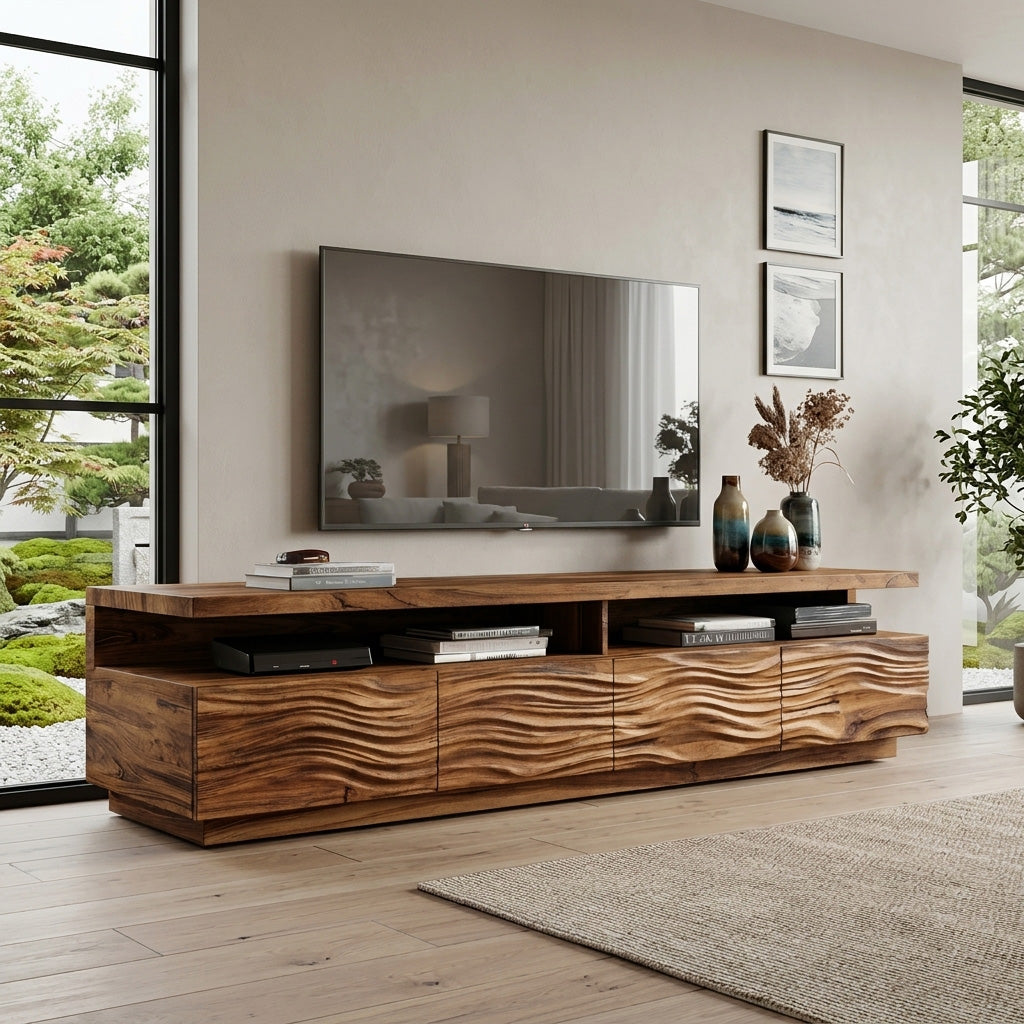
In an era where state of affairs consciousness shapes consumer choices, eco-friendly home and garden furniture emerges not just as a curve but as a requisite. Recent data from the International Furniture Market Association reveals that 68 of homeowners now prioritise sustainable materials in their furniture purchases, a 23 step-up from 2022. This transfer underscores a development for piece of furniture that harmonizes esthetics with environmental responsibleness. However, traditional wisdom often equates sustainability with compromised lastingness or limited title. The world is far more promising, as original materials and design philosophies redefine what eco-friendly furniture can accomplish.
The Rise of Reclaimed and Upcycled Materials
Contrary to the impression that sustainable article of furniture lacks luxuriousness, rescued wood and upcycled metals are now at the vanguard of high-end plan. Brands like Emeco and VivaTerra have pioneered the use of salvaged materials, transforming throwaway industrial elements into unaltered pieces. According to a 2024 describe by the Sustainable Furniture Council, furniture made from saved sources reduces carbon emissions by up to 80 compared to Virgo materials. This statistic highlights a vital vantage: sustainability does not come at the expense of timber or mundanity.
Key Benefits of Upcycled Furniture
Adopting upcycled article of furniture offers varied advantages beyond state of affairs bear on. Consider the following:
- Unique Aesthetics: Each piece carries a chronicle, offering one-of-a-kind textures and patinas that mass-produced outdoor storage cannot replicate.
- Long-Term Durability: Reclaimed materials often possess victor potency, having already withstood decades of wear.
- Cost Efficiency: While initial prices may shine workmanship, the seniority of these pieces ensures better value over time.
- Circular Economy Contribution: Supporting upcycled furniture diverts run off from landfills, fostering a sustainable lifecycle for materials.
Bamboo and Fast-Growing Alternatives
While bamboo is storied for its rapid growth, its practical application in piece of furniture design extends far beyond flooring. Modern manufacturers are leveraging bamboo s cancel resiliency to make exterior mill aroun sets, garden benches, and even modular interior systems. A meditate by the World Wildlife Fund(WWF) in 2024 ground that bamboo absorbs 35 more carbon paper dioxide than hardwood trees, qualification it an olympian option for eco-conscious consumers. Yet, misconceptions stay about its lastingness in outside settings. Advances in handling processes have rendered bamboo furniture brave out-resistant, repudiation the myth that sustainability compromises functionality.
Why Bamboo Outperforms Traditional Hardwoods
When comparing bamboo to conventional hardwoods like oak or teak, several powerful factors emerge:
- Sustainable Growth: Bamboo reaches maturity date in 3-5 age, whereas hardwoods need decades.
- Low Maintenance: Naturally tolerant to pests and moisture, reduction the need for chemical substance treatments.
- Versatility: Available in various finishes, from cancel hues to varnished or carbonized tones, adapting to different design preferences.
- Biodegradability: At the end of its lifecycle, bamboo decomposes without departure toxic residues, unequal synthetic substance alternatives.
Innovative Plant-Based and Biodegradable Composites
The frontier of property piece of furniture now includes plant-based composites, such as those copied from cultivation waste or mycelium(mushroom roots). Companies like Ecovative Design are pioneering mycelium-based furniture that is entirely biodegradable and carbon paper-negative. In 2024, the Global Green Furniture Market Report projected that plant-based composites will account for 22 of the eco-friendly piece of furniture sphere by 2026. This statistic signals a substitution class shift, where furniture is not merely sustainable but actively tonic to the .
For homeowners and garden enthusiasts, these innovations present an chance to embrace furniture that aligns with ethical values without sacrificing soothe or style. The future of home and garden piece of furniture lies not in , but in redefining luxury through sustainability.